Introduction
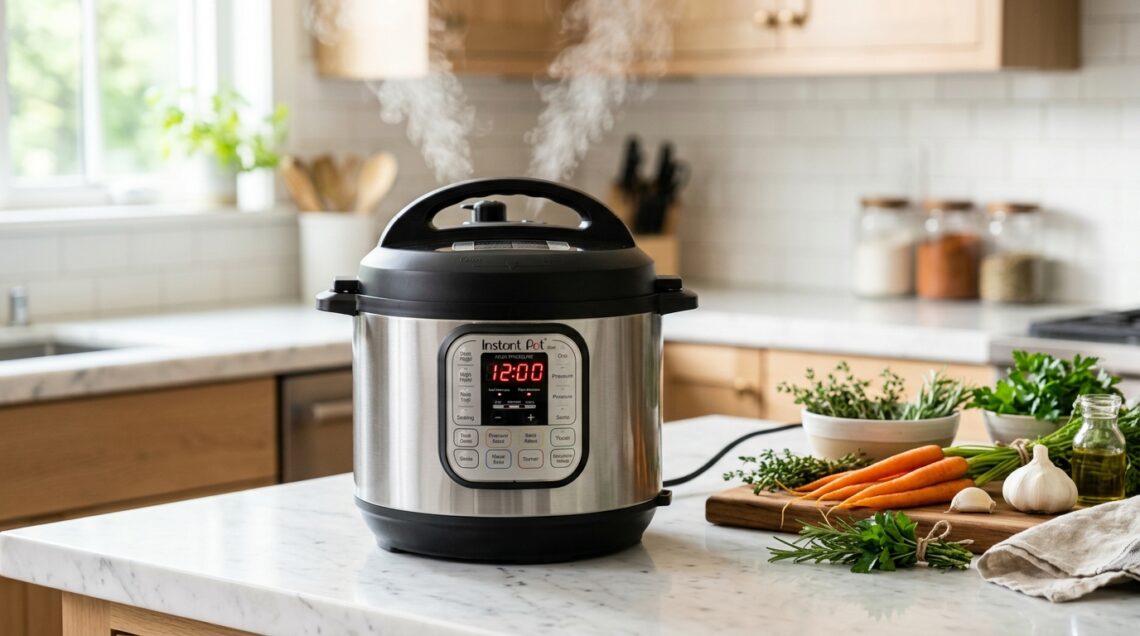
Few kitchen gadgets have changed the way ordinary households cook quite like the electric pressure cooker, and the Instant Pot Duo is probably the model most responsible for that shift. Rather than doing one job well, it packs seven distinct cooking functions into a single pot, cutting down on both cook time and the number of separate appliances cluttering up a kitchen. This piece goes through what the Duo actually does, how each function tends to get used in a normal week of cooking, who ends up getting the most out of it, and a handful of things worth knowing before it becomes part of your regular routine.
As with the rest of these breakdowns, this isn’t an attempt to crown the Duo the single best multicooker out there — it’s just a clear look at what it offers so you can weigh it against how you already cook.
Key Features
Seven functions in one pot. Pressure cooking, slow cooking, rice making, steaming, sautéing, yogurt making, and warming are all built into this one unit, covering a surprisingly wide range of everyday cooking tasks.
Pressure cooking at its core. This remains the signature trick of the whole Instant Pot line — sealed, pressurized steam that cooks food dramatically faster than a regular stovetop, which matters a lot for things like dried beans or tougher cuts of meat that would otherwise eat up hours.
A slow cook mode too. Flip it the other direction and you get a traditional slow cooker experience, good for stews or braises that actually benefit from a long, gentle simmer instead of speed.
Built-in rice cooking. There’s a dedicated rice setting that performs comparably to a standalone rice cooker, meaning you don’t necessarily need a separate appliance just for that.
Steaming capability. With a rack or trivet, it handles vegetables, seafood, and similar foods using steam generated right inside the sealed pot.
Sauté function. Browning meat or aromatics directly in the pot before switching to pressure or slow cook mode saves you from dirtying a separate pan for that step.
Yogurt setting. A dedicated mode holds the low, steady temperature yogurt culturing needs — not something you’ll find on more basic pressure cookers.
Keep warm. Once cooking wraps up, the pot can automatically shift into a warming mode, holding food at a safe temperature until you’re actually ready to eat.
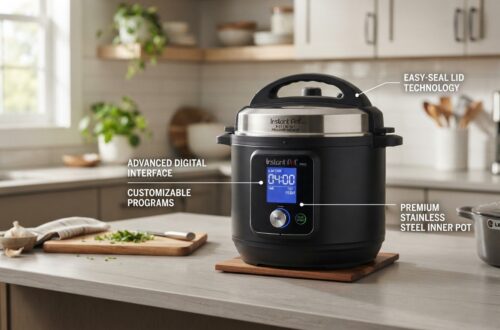
Stainless steel inner pot. Durable, and free of the coatings you’d find on some nonstick alternatives.
How It Can Be Used
Pressure cooking is probably what most Duo owners reach for the most, mainly because it saves so much time on dishes that would otherwise drag on — dried beans without soaking overnight, a tender pot roast, a hearty stew finished in a fraction of the usual time.
Slow cooking serves a completely different purpose, generally chosen when a longer, gentler process actually produces better results — think pulled pork, chili, or a soup meant to simmer for hours while you’re busy doing other things.
The rice function tends to replace a dedicated rice cooker outright for a lot of households, especially those who’d rather not keep a separate single-purpose appliance around just for rice.
Sautéing usually comes into play at the very start of a recipe — browning onions, garlic, or meat right in the pot before switching over to pressure or slow cook, which cuts a whole extra pan out of the process.
Steaming generally requires a trivet or rack insert, letting vegetables, dumplings, or seafood cook using the steam built up inside the sealed pot, either on its own or as one stage of a bigger meal.
The yogurt function tends to attract people specifically interested in making their own yogurt at home, holding the exact temperature range needed for culturing over an extended stretch of time.
Keep warm gets used constantly, mostly just to bridge the gap between when something finishes cooking and when it’s actually time to eat.
Who It May Be Suitable For
Anyone trying to cut down on kitchen appliances. With seven functions built in, the Duo appeals a lot to people hoping to ditch a separate rice cooker, slow cooker, and steamer all at once.
People who care about faster cooking. If you’re tired of how long dried beans, tough cuts of meat, or homemade stock take the traditional way, pressure cooking cuts that time down significantly.
Newer cooks curious about pressure cooking. Because the Duo is such a well-established, widely used model, there’s no shortage of recipes and community advice out there, which makes the learning curve a lot less intimidating.
Anyone who prefers a simpler interface. Compared to pricier, app-connected multicookers, the Duo sticks to seven solid functions without extra bells and whistles you’ll probably never touch.
Small to medium households. Depending on which size you pick up, it generally handles a couple or a small family comfortably.
If you’re regularly cooking for a much bigger group, or you specifically want app connectivity and extra features, a larger-capacity model or a more advanced Instant Pot might suit you better.
Important Things to Consider
There’s a real learning curve. Seven different modes means understanding how pressure cooking timing differs from slow cooking or sautéing takes a bit of getting used to, especially if you’ve never used an electric pressure cooker before.
Pressure cooking safety matters. Understanding proper sealing, venting, and how to release pressure safely is genuinely important, and it’s worth actually reading through the included instructions rather than winging it the first few times.
It still needs its own spot on the counter. Even though it’s replacing several appliances, the Duo itself — plus any extra accessories like a steaming trivet — needs dedicated space somewhere.
It won’t fully replace a truly dedicated appliance. Each individual function is genuinely useful, but a standalone rice cooker or slow cooker built solely around one task will usually edge out the Duo’s version of that same function.
The sealing ring holds onto smells. The rubber sealing ring can pick up odors from strongly flavored dishes over time — a pretty common complaint among owners, usually solved with regular cleaning or keeping a second ring around for different types of cooking.
Recipes need adjusting. Converting a normal stovetop or oven recipe for pressure cooking generally means rethinking both cook time and liquid amounts, which takes a bit of trial and error if you’re used to cooking the traditional way.
Comparison of General Categories
Multi-function electric pressure cookers — the Duo’s category — generally try to fold several individual appliances into one unit, trading a bit of specialized performance for a whole lot more versatility and less kitchen clutter.
Higher-tier multicookers with app connectivity add smartphone control or bigger recipe libraries, usually at a higher price, for people who want a more guided or connected cooking experience.
Dedicated stovetop pressure cookers skip the multicooker extras entirely, offering just pressure cooking, sometimes reaching pressure faster than an electric model but demanding more hands-on attention.
Standalone slow cookers handle long, low-temperature cooking with more capacity than the Duo’s slow cook mode, since that’s their entire job.
Standalone rice cookers are built specifically for rice and grains, often with more specialized settings than the more general-purpose rice function found here.
Which category fits best really depends on how many separate kitchen tasks you want combined into one appliance, how much specialized performance you need for any single function, and whether you’d rather keep things simple or lean toward the more advanced, connected features found on pricier models.
Frequently Asked Questions
What exactly does 7-in-1 mean here? It’s seven built-in functions: pressure cooking, slow cooking, rice cooking, steaming, sautéing, yogurt making, and keep warm.
Is pressure cooking safe if I’ve never done it before? Yes, generally — as long as you follow the manufacturer’s instructions closely. Electric pressure cookers like the Duo build in safety mechanisms, but it’s still worth understanding proper use before diving in.
Can it really replace a dedicated rice cooker? For most households, yes — the rice function is a practical substitute, though anyone wanting highly specialized rice settings might still prefer a standalone unit.
Does it need special maintenance? Regular cleaning of the inner pot, lid, and sealing ring is a good habit, along with checking the sealing ring periodically since it can hold onto odors over time.
Can I just use my usual stovetop recipes with it? Not directly — you’ll generally need to adjust both cook time and liquid amounts, since pressure cooking works pretty differently from conventional stovetop or oven methods.
Is the yogurt function complicated? It takes some practice maintaining the right temperature over an extended period, but most people find it becomes second nature after a try or two.
What sizes does the Duo come in? It’s generally available in a few different capacities, so you can pick based on your typical household size and cooking needs.
Conclusion
The Instant Pot Duo 7-in-1 packs pressure cooking, slow cooking, rice cooking, steaming, sautéing, yogurt making, and keep warm into one stainless steel pot, aimed at cutting down both the number of separate kitchen appliances you own and the time many traditionally slow dishes take to cook.
Whether it’s the right fit for your kitchen really comes down to how many of those seven functions you’d actually use on a regular basis, how much counter space you can spare, and whether you’d rather keep things simple or lean toward a pricier, more feature-packed multicooker. For anyone looking for a dependable, well-established way into pressure cooking — and a genuine reason to clear out a few other appliances — the Duo covers a lot of ground.