Introduction
Kitchen appliances have gone through a quiet revolution over the past decade, and few products capture that shift as clearly as the multi-cooker. What used to require a shelf full of separate gadgets — a pressure cooker, a slow cooker, a rice cooker, a steamer basket, a yogurt incubator — has, for many households, been consolidated into a single countertop device. The Instant Pot Duo 7-in-1 Electric Pressure Cooker is one of the more widely recognized examples of this category, combining several distinct cooking functions into one stainless steel unit with an 8-quart capacity and companion app access to a large recipe library.
This article takes a closer look at what this type of appliance actually does, how its various functions work together, the kinds of cooking tasks it tends to be used for, and the practical factors worth thinking through before deciding whether a multi-cooker like this fits your kitchen and your cooking habits. Rather than offering a sales pitch, the goal here is to lay out the information in a clear, balanced way so you can form your own judgment about whether it’s a good match for your routine.
Key Features
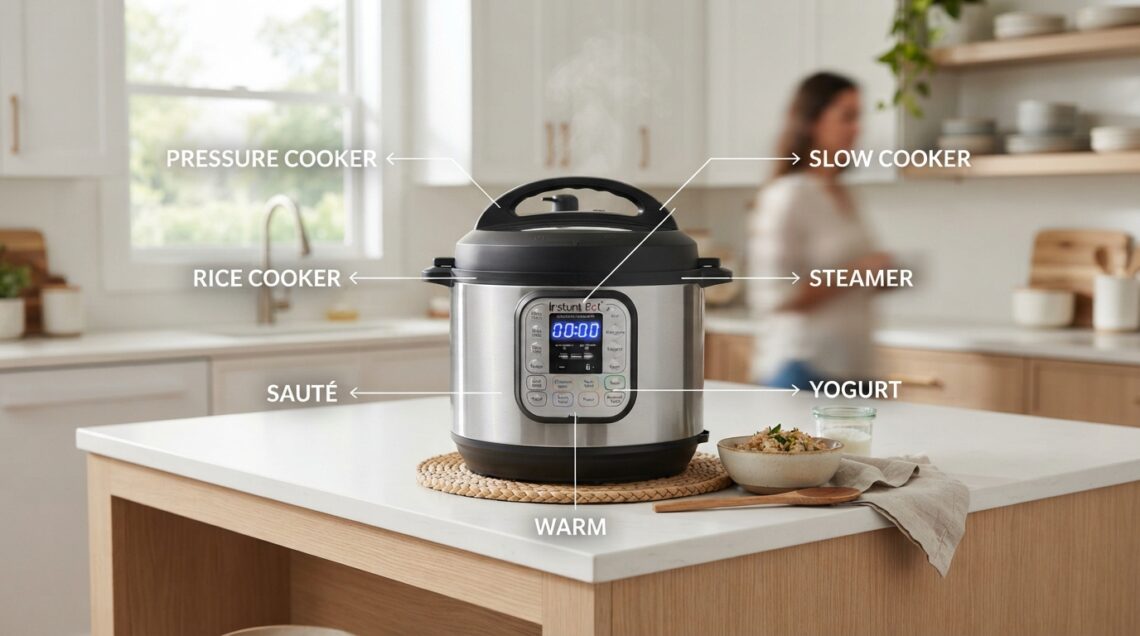
The Instant Pot Duo 7-in-1 is built around the idea of combining multiple appliance functions into one housing, which is reflected directly in its name. Understanding each of these seven functions helps clarify what the device is actually capable of.
Pressure Cooking At its core, this is an electric pressure cooker. It uses sealed, pressurized steam to cook food significantly faster than conventional stovetop or oven methods, which is particularly useful for dense proteins, dried beans, and tougher cuts of meat that would otherwise require hours of slow cooking to become tender.
Slow Cooking The same base unit can also function as a traditional slow cooker, allowing for the low-and-slow cooking style associated with dishes like stews, pulled meats, and simmered sauces, without needing a separate slow cooker appliance taking up counter or storage space.
Rice Cooking A dedicated rice cooking function is built in, designed to handle various rice types with consistent results, which can be a convenient alternative to monitoring a pot on the stove.
Steaming The steaming function uses the same pressurized environment to cook vegetables, seafood, and other delicate foods quickly, generally with less nutrient loss compared to boiling, since the food isn’t submerged directly in water.
Sautéing Before or after using the pressure or slow cook functions, the sauté setting allows for browning meat, softening onions and garlic, or reducing a sauce directly in the same pot, which reduces the number of dishes needed for a single recipe.
Yogurt Making A yogurt setting maintains a consistent low temperature over an extended period, which is the environment needed for milk to properly ferment into yogurt, a function not commonly found on more basic pressure cookers.
Warming Once a dish is finished cooking, the warm setting keeps food at a safe serving temperature without continuing to cook it further, which is useful for coordinating meal timing with the rest of a dinner.
Beyond these seven core functions, the 8-quart stainless steel inner pot is designed to be more durable than nonstick coatings, and the unit includes companion app access featuring a large collection of recipes, which can serve as a helpful starting point for people who are new to multi-cooking and unsure where to begin.
How It Can Be Used
Because the Instant Pot Duo 7-in-1 combines so many functions, its usage tends to fall into a few broad categories depending on what a household cooks most often.
Weeknight meal preparation is one of the more common use cases. Dishes that traditionally take a long time on the stovetop, such as chili, risotto, or braised meats, can often be completed in a fraction of the time using the pressure cook function, which appeals to households trying to get a homemade meal on the table without a lengthy prep and cook process.
Batch cooking and meal prep is another area where the larger 8-quart capacity becomes relevant. Cooking a large batch of grains, beans, or shredded meat in one session and portioning it out for the week ahead is a common approach among people trying to reduce daily cooking time.
Slow-cooked dishes remain a popular use case as well, particularly for households that prefer to start a meal in the morning and return to a finished dish in the evening, without needing a completely separate slow cooker appliance.
Steamed vegetables and seafood can be prepared relatively quickly using the steaming function, which some people prefer over boiling for texture and flavor reasons.
Homemade yogurt is a more specialized but genuinely useful function for households that go through yogurt regularly and want more control over ingredients, sweetness levels, or thickness than store-bought options typically allow.
Sauce and stock reduction using the sauté function after pressure cooking is another practical technique, since it allows the cooking liquid from a pressure-cooked dish to be thickened or reduced directly in the same pot rather than transferring everything to a separate pan.
For many users, the appeal isn’t any single function in isolation, but the ability to move between them within one recipe — browning meat with the sauté setting, pressure cooking it with liquid and aromatics, and then finishing the dish with a reduction, all without switching appliances or dishes.
Who It May Be Suitable For
Multi-cookers like this one tend to appeal to a fairly wide range of households, though certain situations make the appliance particularly relevant.
Busy households and working individuals who want to reduce the time spent actively cooking, without resorting entirely to pre-packaged meals, often find the faster pressure cooking times appealing for getting a full meal prepared on a tighter schedule.
People with limited kitchen space may appreciate consolidating several appliance functions into a single unit rather than storing a pressure cooker, slow cooker, rice cooker, and yogurt maker separately, which can matter significantly in smaller kitchens or apartments.
Meal preppers who cook in larger batches for the week ahead may find the 8-quart capacity and rice or grain cooking functions particularly useful for producing consistent, larger portions in a single session.
Households transitioning to more home-cooked meals from a more takeout-reliant routine sometimes use the recipe app as a structured starting point, since it can reduce some of the guesswork involved in learning new cooking techniques.
People interested in fermentation-adjacent cooking, such as homemade yogurt, may find the dedicated yogurt function a useful entry point without needing a separate incubator device.
That said, this type of appliance may be less relevant for individuals who cook very small portions regularly, live in extremely space-constrained kitchens where an 8-quart unit would be difficult to store, or who strongly prefer traditional stovetop techniques and have little interest in adapting recipes to a pressure or slow cooking format.
Important Things to Consider
Before deciding whether a multi-cooker fits your kitchen, there are a handful of practical factors worth thinking through.
Learning curve. While the interface on most modern multi-cookers is designed to be approachable, pressure cooking specifically does involve a different set of techniques compared to conventional stovetop cooking, particularly around liquid ratios, natural versus quick pressure release, and cook times for different ingredients. New users often find it helpful to start with simpler recipes from the included app before attempting more complex dishes.
Counter and storage space. An 8-quart unit is on the larger end of the multi-cooker size range, which is well suited to bigger households or batch cooking, but worth measuring against your available counter and storage space beforehand, particularly in smaller kitchens.
Maintenance and cleaning. The stainless steel inner pot and sealing ring require regular cleaning, and the sealing ring in particular can retain odors from strongly flavored dishes over time unless cleaned thoroughly or, in some cases, replaced periodically as part of general upkeep.
Adjusting existing recipes. Traditional stovetop or oven recipes often need some adjustment in liquid quantity and cook time to work properly in a pressure cooker, since the sealed, pressurized environment behaves differently from an open pot. This isn’t necessarily difficult, but it does involve a bit of trial and error, or reliance on recipes specifically written for pressure cooking.
Capacity considerations for smaller households. While an 8-quart capacity is useful for larger families or batch cooking, smaller households cooking primarily single portions may find a smaller-capacity model more practical for everyday use, reserving less frequent large-batch cooking for special occasions.
App and connectivity reliance. While the companion app can be a helpful resource, particularly for beginners, it’s worth considering how much you expect to rely on it versus using the physical control panel and your own recipe sources, since comfort with app-based guidance varies from person to person.
Comparison of General Categories
Rather than comparing this specific product against particular competing brands, it can be more useful to understand how multi-cookers as a category compare to other common kitchen appliance types, since this helps clarify what kind of device actually fits your needs.
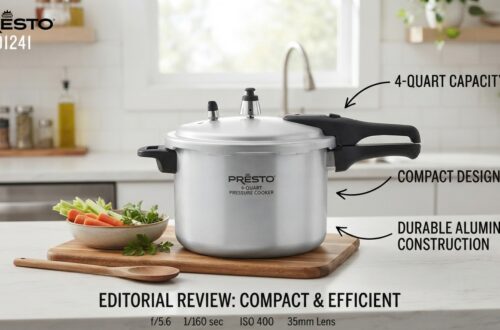
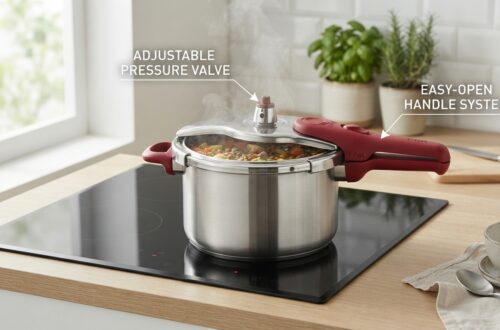
Multi-cookers versus single-function pressure cookers. A dedicated, single-function pressure cooker is often simpler to operate and may have a shorter learning curve, but it doesn’t offer the flexibility of slow cooking, rice cooking, or yogurt making within the same device. For households that only ever plan to pressure cook, a single-function model may be sufficient, while those who want broader use may find more value in a multi-function unit.
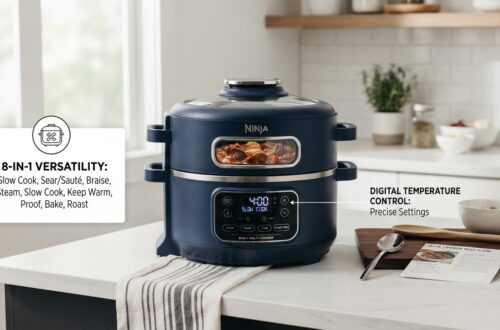
Multi-cookers versus traditional slow cookers. Traditional slow cookers are generally simpler and often less expensive, and some users prefer their straightforward single-purpose design. However, they lack the significantly faster cooking times that pressure cooking offers, which matters for anyone regularly short on time.
Multi-cookers versus dedicated rice cookers. Dedicated rice cookers are often optimized specifically for rice texture and consistency, and some users who cook rice daily prefer a dedicated unit for that reason alone. A multi-cooker’s rice function is generally competent for regular use, but households with very specific rice preferences may still want to compare results directly.
Multi-cookers versus conventional stovetop and oven cooking. Stovetop and oven cooking offer more direct, hands-on control throughout the cooking process, which some cooks strongly prefer, particularly for dishes where visual monitoring and adjustment matter. Multi-cookers trade some of that hands-on control for convenience and reduced active cooking time, which is a trade-off that appeals to some households more than others depending on cooking style and available time.
In general, the right choice within any of these categories depends less on which option is objectively better and more on how a specific household cooks, how much kitchen space is available, and how much value is placed on convenience versus hands-on control.
Frequently Asked Questions
Does a pressure cooker like this replace the need for a slow cooker entirely? For many households, yes, since the slow cook function is built directly into the unit. However, some people still prefer a dedicated slow cooker for very long, low-temperature cooking sessions they plan to leave unattended for extended periods, depending on personal preference and specific use cases.
Is pressure cooking safe? Modern electric pressure cookers, including multi-cooker models, are generally designed with several safety mechanisms, such as locking lids that prevent opening while the unit is pressurized. As with any kitchen appliance, following the manufacturer’s instructions and safety guidelines is important for safe operation.
Can this type of appliance be used for baking? Some multi-cookers include functions or accessories that allow for a limited range of baking-style dishes, such as cheesecakes or certain steamed cakes, using the pressure or steam function, though results and available options can vary depending on the specific accessories used.
How long does food take to cook using the pressure function compared to conventional methods? Cooking times vary significantly depending on the specific dish, but pressure cooking is generally associated with noticeably shorter cook times for foods that traditionally take a long time to become tender, such as dried beans or tougher cuts of meat, compared to stovetop or oven methods.
Do recipes need to be specifically written for a pressure cooker? It’s generally recommended to use recipes designed for pressure cooking, or to adjust conventional recipes with attention to liquid amounts and cook times, since the sealed, pressurized cooking environment behaves differently from open-pot cooking methods.
Is the stainless steel inner pot dishwasher safe? Many stainless steel inner pots associated with this type of appliance are generally considered dishwasher safe, though it’s worth confirming specific care instructions provided with the individual unit, since details can vary.
Does using the yogurt function require any special ingredients? Making yogurt typically requires milk and a small amount of starter culture or existing yogurt containing active cultures, along with the appliance’s ability to hold a consistent fermentation temperature over several hours.
Conclusion
The Instant Pot Duo 7-in-1 represents a broader shift in how many households approach everyday cooking: consolidating multiple appliance functions into a single, more space-efficient device capable of handling a wide range of cooking styles, from quick pressure-cooked meals to slow-simmered dishes, steamed vegetables, and homemade yogurt. Its usefulness ultimately comes down to how well its combination of functions, capacity, and learning curve matches your own kitchen habits, available space, and cooking preferences.
For households looking to reduce the number of separate appliances they own while gaining faster cooking times for certain dishes, a multi-cooker of this type can be a genuinely practical addition to the kitchen. For those who strongly prefer dedicated, single-purpose appliances or hands-on stovetop techniques, it may be less essential. As with most kitchen tools, the right decision depends on weighing these practical factors against your own routine.